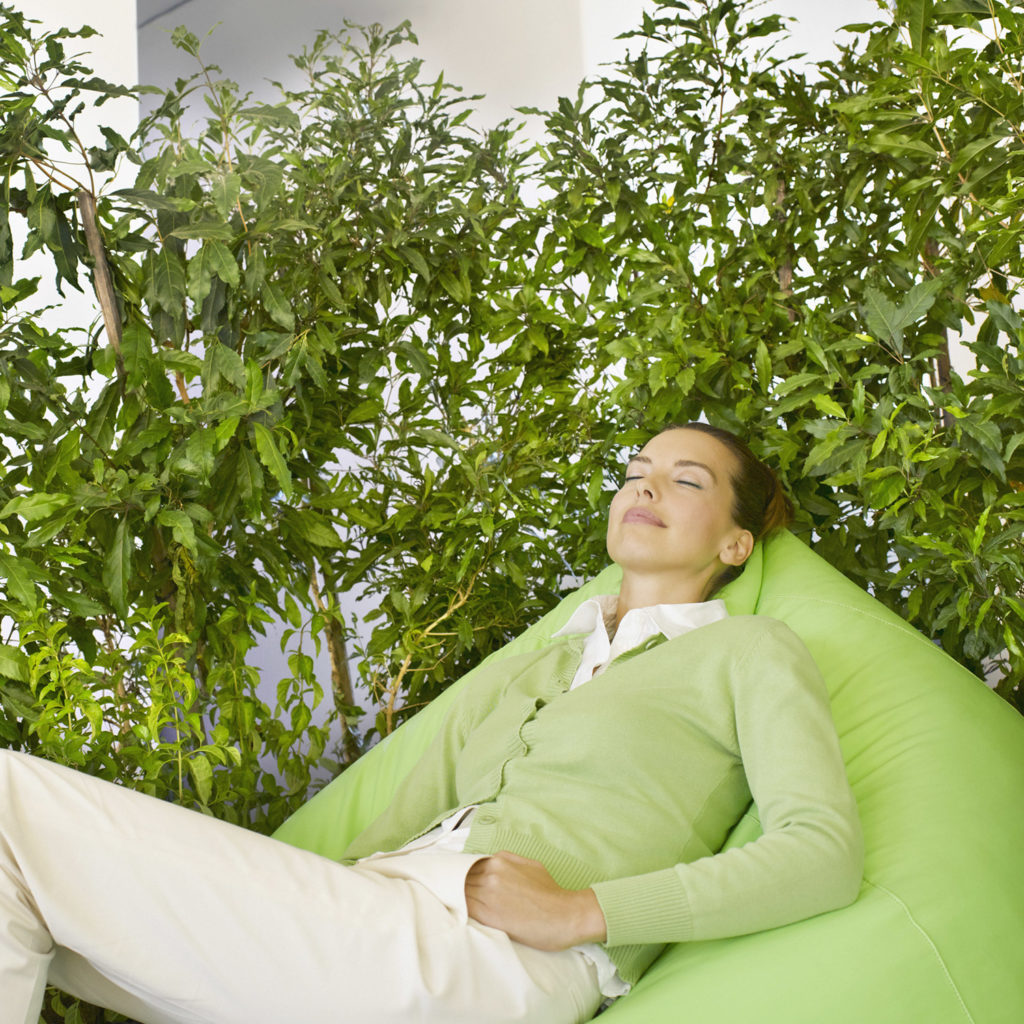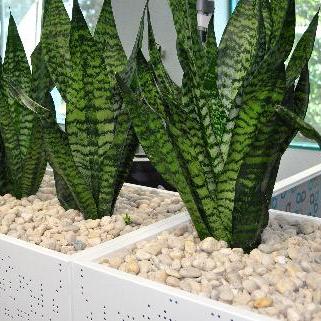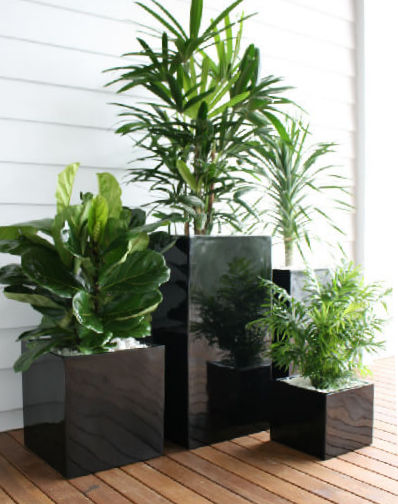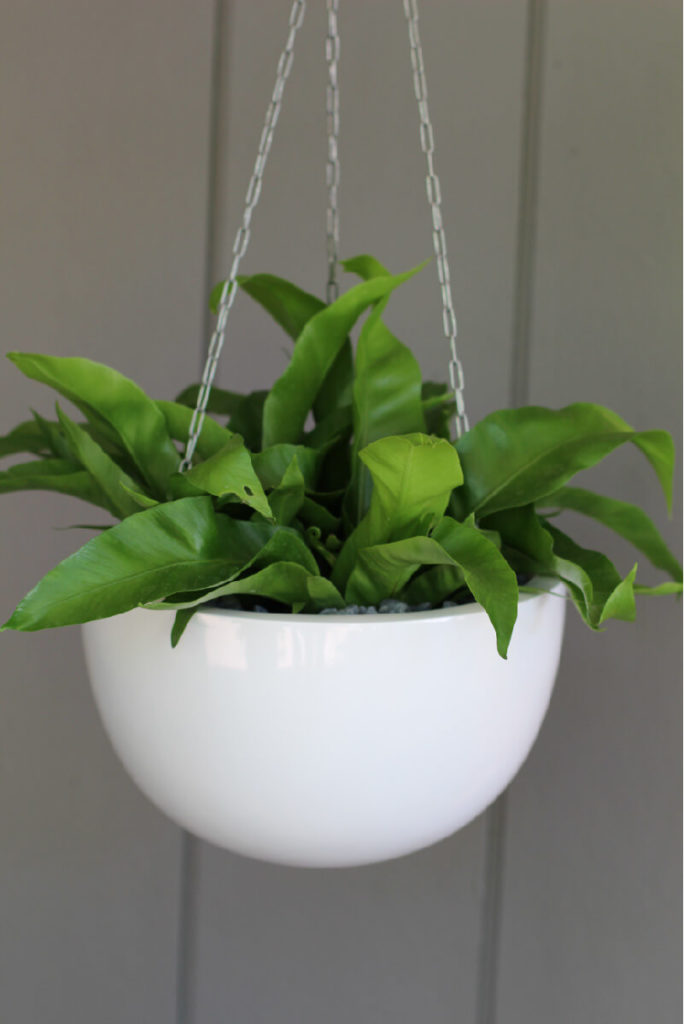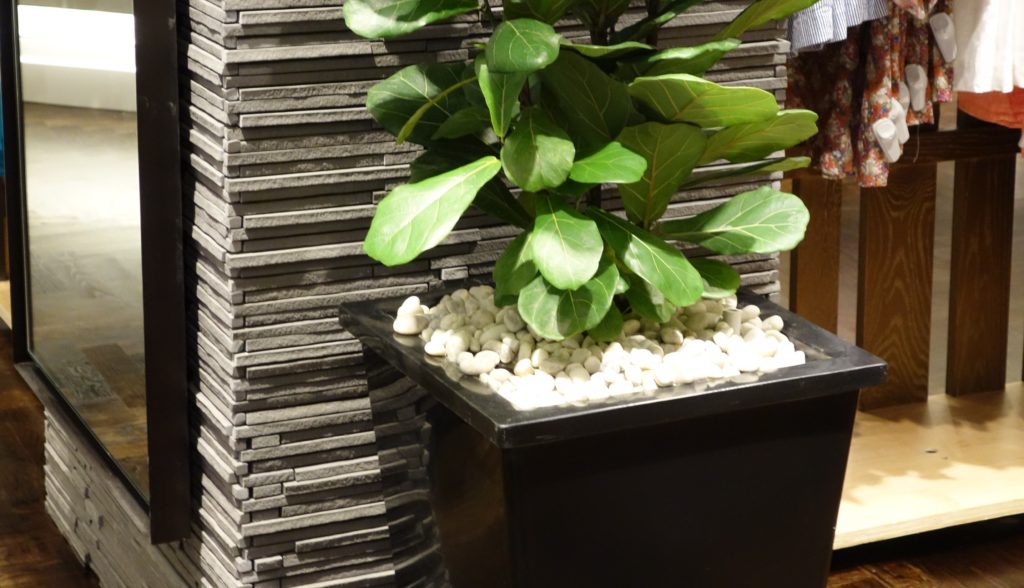
Indoor Environment Quality (IEQ) refers to the overall comfort of a building’s interior and the comfort and health of its occupants. Many factors may contribute to the indoor environmental quality, including the use of daylight, passive design and natural ventilation, air quality, and indoor plants.
The World Health Organisation (WHO) in 2000 predicted that, by 2010, responsibility for healthy indoor air quality (IAQ) will rest with facility managers. (Reference – full transcript from Ideaction 2008 Conference on the Gold Coast).
Research shows plants contribute to almost all factors of Indoor Environment Quality (IEQ) (*Criteria list – NSW Government Workplace Guidelines, website 2010). Therefore 6 out of 8 criteria are positively influenced by plants in the workplace.
The Green Building Council of Australia’s Green Star Office Interior’s V1.1 includes indoor environment quality (IEQ). Section IEQ-15 is worth 2 points and relates to the use of indoor plants.
As described in the Technical Manual, quote:
“Research has found that indoor plants contribute to the health and wellbeing of building occupants.
The potted plant microcosm has been shown to reduce airborne concentrations of Volatile Organic Compounds (VOCs). Due to the large number of VOCs, indoor air concentrations are typically based on Total (TVOC) concentrations – essentially the sum of the individual concentrations.
The health effects of exposure to VOCs are consistent with Sick Building Syndrome effects – i.e. eye/nose/skin irritation, headache, lethargy, etc. These have been observed in subjects exposed to 1000 ppb and indoor air goals have been set to limit exposures to much lower levels.; in Australia, the National Health and Medical Research Council (NHMRC) level of concern is 500 ug/m3 – approximately 100 ppb.
The research findings demonstrate that the ability of plants to metabolize Volatile Organic Compounds, increases with extended exposure to VOCs, provided the potted-plant system is kept in optimum condition.
The presence of indoor plants has also been shown to decrease complaints of systems associated with respiratory illness and poor air quality. Several studies have shown lower workplace stress, a decrease in fatigue and enhanced productivity.”
Authors note – “An indoor environment good for plants is also good for people. Lots of fresh air, natural light (at levels necessary to support green life), a comfortable humidity and space to move.” In Brisbane we are blessed with the perfect climate and buildings should take advantage of the orientation of the sun and prevailing breezes.
Question 9: What does Indoor Environment Quality (IEQ) actually mean?
Answer: The term IEQ refers to the entire environment presented by building spaces (particularly in office workplaces). This includes considerations not only of good indoor air quality (IAQ), but also of many other aspects, including ergonomically appropriate workstations, appropriate lighting, comfortable range of temperature (21-230C) and humidity (30 – 60%), reasonable noise levels, and aesthetically pleasing or inoffensive surroundings and colour schemes. Research shows pot-plants contribute positively to every one of these factors of IEQ apart from the ergonomic furniture and lighting, and if the lighting is appropriate to plants it is probably appropriate for staff as well.
You may find this link interesting. Climate Change Myths and FAQs